An Overview of Probiotics and Their Role in Human Health
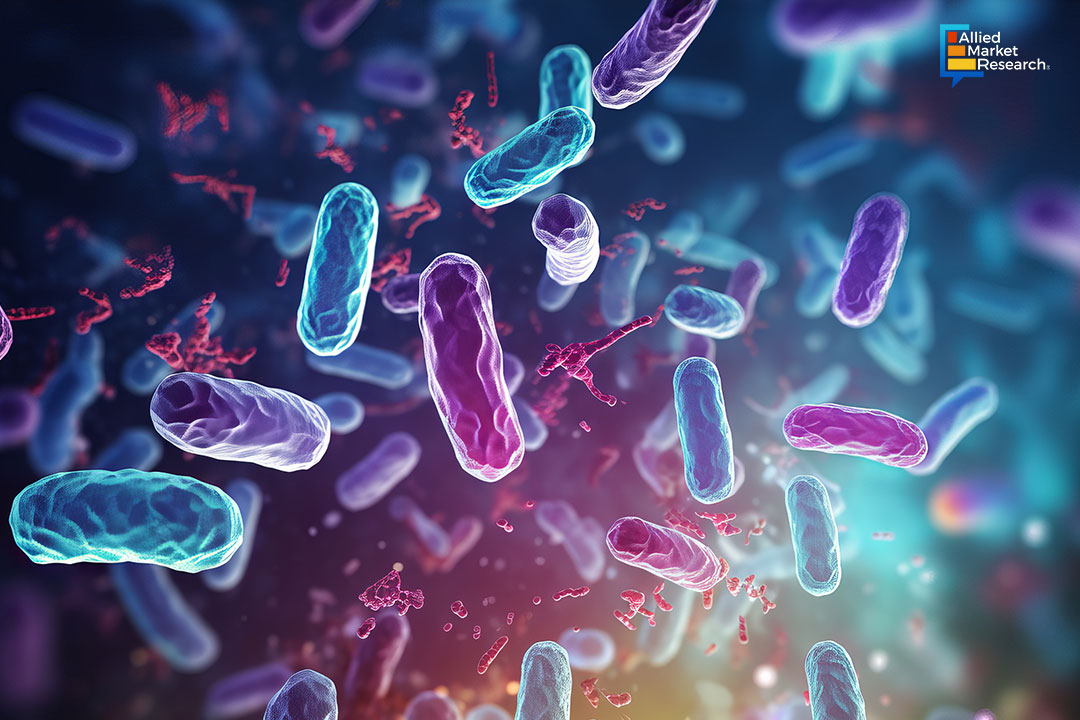
Probiotics are live microorganisms that help improve gut health. These, when administered in adequate amounts, help enhance immune function and support digestion. These are composed of bacteria and yeasts that naturally inhabit the human gut, skin, and other parts of the body to support nutrient absorption and thus improve gut health. Probiotics have gained traction in the medical and nutritional sectors to study their potential to manage lactose intolerance and irritable bowel syndrome. These are also being studied to improve mental health. Probiotics are commonly consumed as dietary supplements or in the form of fermented products like yogurt, kefir, and kimchi.
Changing Landscape of Probiotic Research and Consumption
Rise in awareness of gut health to maintain digestive wellness and microbiome balance which helps strengthen immunity is a major factor that drives the demand for probiotics among individuals. In addition, an increase in prevalence of gastrointestinal diseases and antibiotic-associated diarrhea leads the healthcare professionals to recommend probiotics as a preventive and therapeutic approach. Also, modern consumers prefer food that offers additional health benefits beyond basic nutrition. Probiotics play a significant role in functional dairy products and supplements and are thus gaining popularity. Moreover, older adults tend to consume probiotics majorly as it is a natural solution to maintain digestive and immune health.
Advancements in microbiome research make way for tailored probiotic formulations that address individual health profiles. Also, there is a rise in veganism, where people prefer non-dairy products. Plant-based yogurts have, thus, gained traction among the vegan population. Further, probiotics are also being explored for their role in treatment of metabolic disorders, mental health issues, and infectious diseases. This is projected to boost the demand for probiotics in the healthcare sector in the upcoming years.
Nutritional Value of Probiotics
Probiotics, often referred to as good bacteria, are a major part of human nutrition. They help support digestive balance, nutrient absorption, and immune function in the human body. They offer biological and metabolic benefits when consumed regularly through yogurt, kefir, and kimchi. They are also available and consumed in the form of dietary supplements. One of the major nutritional advantages of probiotics is their ability to enhance nutrient bioavailability. Some probiotics help improve digestion by absorbing essential vitamins and minerals. They help synthesize important vitamins which help regulate metabolism, produce energy, and improve red blood cell formation in the body.
Probiotics help with the breakdown of complex carbohydrates and fibers. This helps to produce short-chain fatty acids which serve as an energy source for intestinal cells and help maintain the integrity of gut lining. A healthy gut barrier supports efficient nutrient absorption while preventing the passage of harmful toxins into the blood. In addition, these also help with lactose digestion by producing lactase enzymes that facilitate the breakdown of lactose into simpler sugar. This helps reduce bloating in lactose intolerant individuals. Thus, probiotics are also used to enhance the nutritional value of dairy products. Probiotics also support weight management and metabolic health by influencing appetite-regulating hormones and improving insulin sensitivity. This makes way for manufacturers to study their role in overall nutritional well-being beyond digestive health.
Functional Integration of probiotics Across Various sectors
Probiotics find diverse applications across the food and beverage, pharmaceuticals, animal feed, and cosmetics sectors. These are used in fermented milk, dietary supplements, and yogurts in the food and beverage sector. These help promote gut health, improve lactose digestion, and enhance nutrient absorption. Probiotics are used to manage diarrhea, urinary tract infection, and inflammatory bowel disease in the pharmaceutical sector. Manufacturers are researching the usage of probiotics in managing allergies, mental health, and obesity. Probiotics replace antibiotics in livestock feed and thus act as natural growth promoters and immune enhancers. These help improve digestion in poultry and aquaculture. Probiotics are used in skincare formulations to maintain skin microbiomes. They help reduce inflammation and prevent acne.
Progress and Innovation in Modern Probiotic Formulations
Advancements in microbiome sequencing that help identify specific strains linked to targeted health outcomes. Companies are focusing on developing probiotics with the potential to manage obesity, diabetes, and inflammation. In addition, the usage of encapsulation technology to improve shelf life and efficacy also fosters the demand for probiotics among its end users. Also, research on combinations of probiotics and prebiotics helps enhance probiotic growth and activity within the gut. Also, there is a rise in the usage of probiotics in personalized medicine with formulations tailored to individual microbiome profiles.
Summing Up
Probiotics play a key role in preventive healthcare and nutrition. They are helpful in maintaining the health of the gut, immune system, and mental health for the end user. Thus, these are an important part of the daily diet. Furthermore, a balanced gut helps strengthen the immune system by enhancing the ability of the body to absorb nutrients and improve the immune system. Regular consumption of probiotic-rich foods thus contributes to improved nutritional status and long-term health.
Short Description
Probiotics are live beneficial microorganisms that promote gut health, strengthen immunity, and support overall well-being. These are found in yogurt, kefir, and supplements and help balance gut health. The rise in focus on digestive wellness, coupled with the increase in consumption of functional food and dietary supplements, boosts the consumption of probiotics among different sectors. Surge in consumer awareness and ongoing innovation drive the demand for probiotics among the end users.
Author Bio

BusyBlogies is a community-driven blogging platform that shares diverse insights on business, technology, health, lifestyle, travel, and more. We welcome guest writers, promote quality content, and aim to connect readers with fresh ideas and inspiration